December 7, 2020
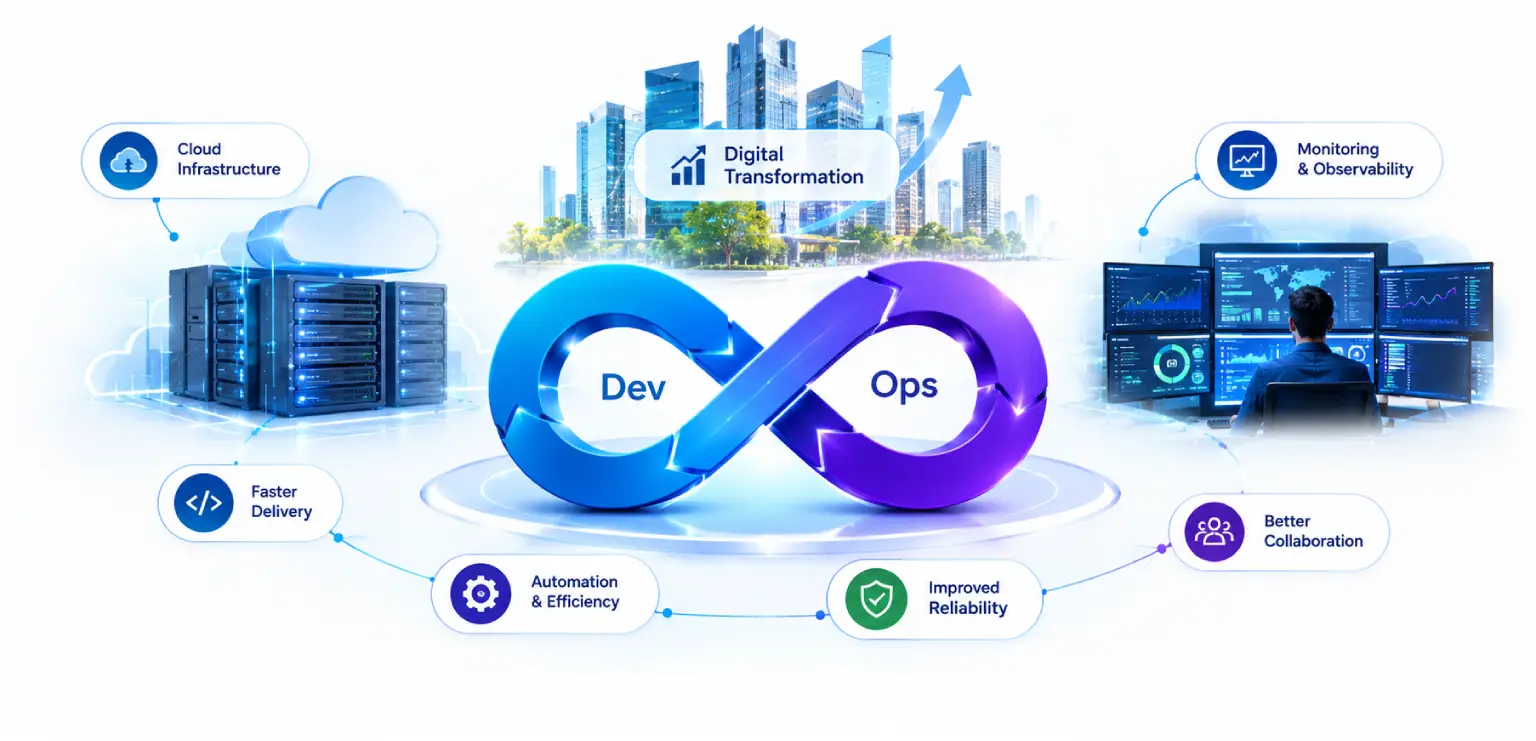
Why DevOps Is Essential For Digital Transformation
Enjoying this article?
Share it with the world!


DevOps + Cloud for Digital Transformation: Steps and Savings
| ⚡ Quick Answer Digital transformation demands faster deployment of products and software, and conventional approval processes cannot keep pace. DevOps answers that by changing how teams work — integration testing moves earlier, feedback loops tighten, and releases ship faster. Cloud is the other half: Gartner finds organizations that plan and manage their cloud services save an average of 14%. Getting there takes a deliberate sequence — evaluate the estate, adopt containers, microservices and PaaS, and keep existing systems running while the new framework is built. |
Today, a growing number of organizations are leveraging the benefit of moving to the cloud, and for good reason. Cloud technology provides numerous benefits to better suit agile organizations to spearhead digital transformation and keep their business competitive in the dynamic business environment. Cloud computing as a growth lever and how cloud benefits your business set out that case in full.
The Pressure Digital Transformation Creates
It is imperative to plan an agile IT engineering to get ready for relentless changes in the business landscape. Digital Transformation has brought about a need to be hyper respondent to the requirements of the clients – which incorporate fast deployment of innovative products, services, and software.
Speed and dexterity are a result of digital transformation but are regularly met with tension with regards to conventional business policies. The turn of events, testing, and deployment of new applications have been significantly influenced by digital transformation. Previously, times to deployment shifted considerably, as projects lingered in one of each stage while waiting for regulatory guidance or bulky bureaucratic orders. Digital transformation across industries shows how widely that pattern repeats.
DevOps As A Solution
While at the same time enabling quicker times to deploy, DevOps likewise challenges strong customs on how organizations communicate and function. Using the DevOps approach will likewise change areas including code management, configuration management, and processes.
|
Powerful Code Management – Where development teams once put together raw code and left the testing for a later date, DevOps implores designers to perform quick integration testing routinely to lessen mistakes and speed the time to launch. |
|
Rapid Processes – Frequent feedback loops are a vital advantage of utilizing DevOps. When software engineers are urged to rapidly produce a minimal viable product, testing happens sooner and significant feedback is sent back to the developers. Utilizing the DevOps development approach, bug fixes happen quicker, features and changes are added, and new versions can be turned out faster than any time in recent memory. |
Both of those are now well-documented practices — CI/CD pipeline automation covers the mechanics, and the role of DevOps in digital transformation covers the cultural half of the same change.
| Moving to the cloud and adopting DevOps at the same time? They work best together, but sequencing matters. We help plan the order so neither programme blocks the other. |
Leveraging The Cloud For Digital Transformation
According to Gartner, companies that plan and manage their cloud services save an average of 14%. Gartner also found that quick IT and business transformation are major incentives for organizations migrating to the cloud. There’s no question – moving to the cloud is vital to digital transformation. While implementing DevOps inadvertently tackles numerous challenges, it takes a detailed plan to prepare your enterprise for the cloud and digital transformation.
| Worth Knowing Gartner’s 14% figure describes organizations that actively plan and manage their cloud services — not migration on its own. How DevOps reduces cloud infrastructure costs covers the ongoing management that produces the saving. |
Common cloud computing myths is a useful corrective if expectations inside the business are running ahead of the plan, and a multi-cloud strategy is worth weighing before you commit to one provider.
Steps to the cloud:
|
Evaluate your IT landscape Evaluate your IT landscape, see what current systems and applications are apt for migrating, or which need to be substituted, upgraded, or eliminated. |
|
Containerization, microservices and PaaS Containerization and microservices are used frequently to migrate to cloud technology. There are also cloud service models such as PaaS. PaaS automatically offers the apt runtime container and middleware services for an application in a dependable environment across the application lifecycle, reduces the costs of downtime and abstracts applications from infrastructure dependencies. |
|
Run old and new in parallel Let the existing systems stay running while moving forward and devoting time and resources in the new cloud-focused framework. |
Each of those steps has its own depth: what Kubernetes orchestration is and how Kubernetes helps your business for containers, breaking the monolith for microservices, what SaaS means for your business for service models, and the 6 R’s of application modernization for deciding what moves and what gets replaced.
Bringing DevOps and Cloud Together
In this present day of rapid IT and digital transformation, your organization will benefit from reinventing your IT architecture and integrating DevOps and cloud technology into the landscape. EAs can attain an aligned business and IT landscape, efficient processes, faster times to market, rapid insights, and full control over the whole organization’s architecture with the implementation of DevOps and cloud technology.
For the AWS-specific route, see five benefits of the AWS cloud, application modernization on AWS and why an AWS consulting partner changes outcomes.
| Key Takeaways
|
| Ready to integrate DevOps and cloud into your architecture? Impressico helps organizations plan cloud migration and DevOps adoption as one programme — evaluating the estate, sequencing the move, and managing what follows so the savings actually land. 🚀 Start a Cloud and DevOps ConversationThe Role of DevOps in Digital Transformation → |
Impressico Business Solutions — cloud migration, DevOps engineering and digital transformation for organizations modernizing how they build and run software.

IBS
Similar articles
The Best Cloud Cost Management Tools in 2026: A Buyer’s Guide for Engineering Leaders
November 4, 2026
FinOps Consulting Services: What to Expect From a Cloud Cost Partner in 2026
November 2, 2026
Cloud Cost Optimization Services: What a Modern FinOps Engagement Actually Delivers
October 28, 2026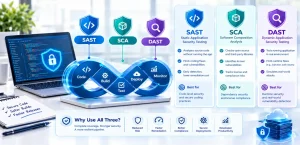
SAST vs DAST vs SCA: Choosing the Right Security Tools for Modern DevOps Pipelines
October 19, 2026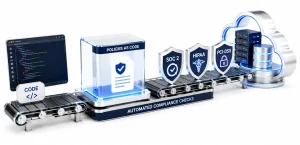
Compliance-as-Code: Automating SOC 2, HIPAA, and PCI-DSS in CI/CD Pipelines
September 9, 2026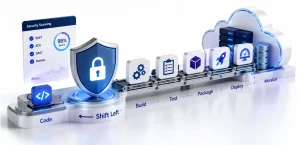
Shift-Left Security in CI/CD Pipelines: A Practical Playbook
September 4, 2026